 4 min read
 May 22, 2026

"No two persons ever read the same book."
— Edmund Wilson
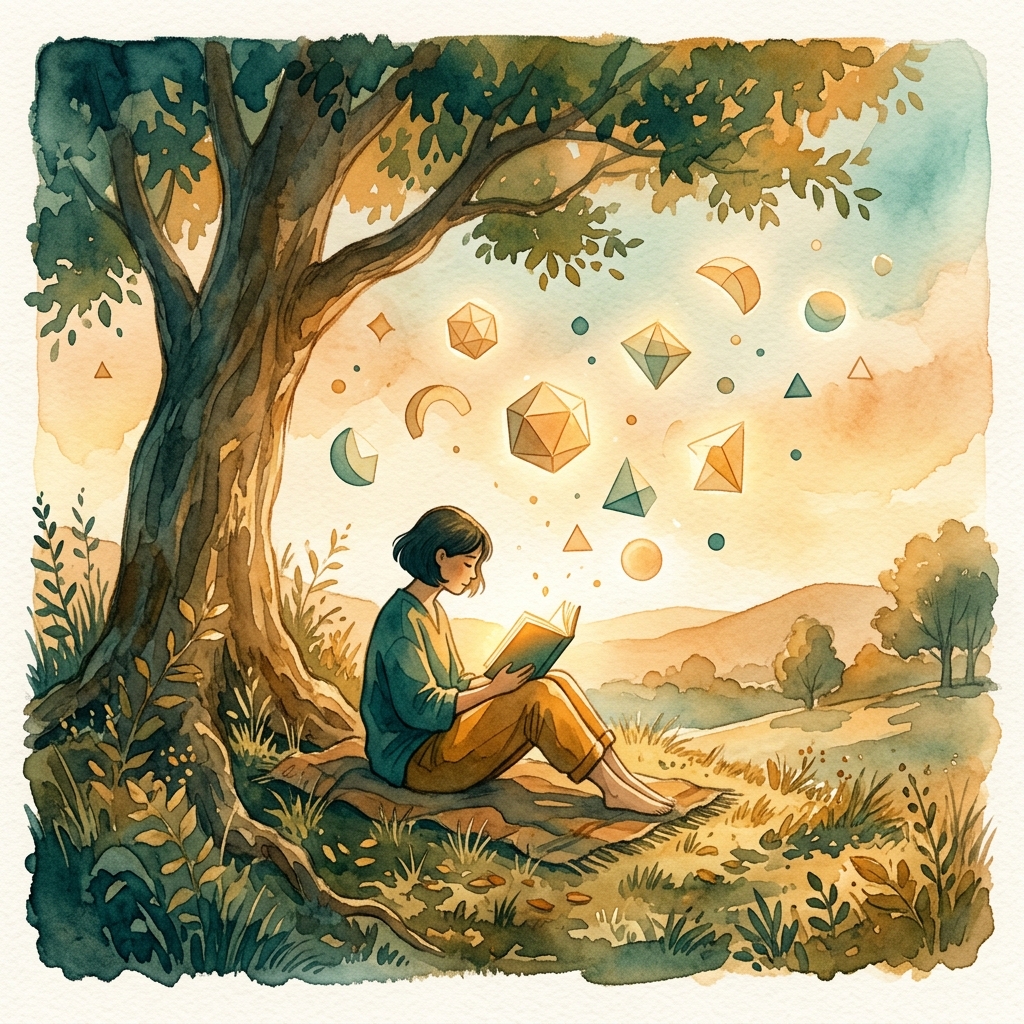
I have always thought that reading is one of the closest things we have to time travel.
When we open a book, we are not simply reading words on a page. We are entering the mind of another human being. Sometimes that person lived on the other side of the world. Sometimes they lived hundreds or even thousands of years ago. Somehow, despite the distance in time and space, we are still able to learn from their experiences, understand how they saw the world, and even disagree with them.
I find that remarkable.
Very few human inventions allow us to have a conversation with someone who is no longer alive. Yet every time we read Marcus Aurelius, we are spending time with a Roman emperor who lived almost two thousand years ago. We can explore the universe with Carl Sagan, learn about freedom from John Emerich Edward Dalberg-Acton, or think about education alongside Paulo Freire. We may never meet any of them, yet through their books they continue teaching people they never knew would exist.
That is one of the reasons I enjoy reading so much. Every book allows me to borrow someone else's perspective for a little while. Sometimes I agree with the author. Sometimes I completely disagree. Surprisingly, I often learn just as much from the people I disagree with as from those whose ideas closely resemble my own.
That is also why I like Edmund Wilson's quote. No two people ever read the same book because no two people bring the same life experiences to it. We all notice different ideas, ask different questions, and connect different pieces of information. I have gone back to books years later only to discover ideas that I am certain were there all along but that I simply was not ready to notice the first time I read them.
Reading also allows us to travel in another sense. We can experience cultures we have never visited, historical periods we could never witness, and situations we will hopefully never have to live ourselves. A novel can help us understand what it feels like to grow up in another country. A biography allows us to see the world through another person's struggles and successes. A philosophy book invites us to examine ideas that have survived for centuries.
Sometimes people ask whether I prefer physical books or digital ones.
Honestly, I appreciate both.
There is certainly something special about holding a physical book, turning its pages, and watching a bookshelf slowly fill with stories that have shaped your thinking. At the same time, I think we are incredibly fortunate to live in an age where technology has made reading more accessible than ever before.
To me, technology has not replaced reading. It has made reading easier.
Of course, none of those features matter very much if we never open the book in the first place.
Reading requires something that technology cannot provide for us: Attention.
It asks us to slow down, to follow another person's reasoning, and to remain with an idea long enough for it to challenge our own way of thinking. In a world that constantly competes for our attention, I sometimes think that reading has become one of the few activities that deliberately asks us to stay with a single conversation for an extended period of time.
"The soul becomes dyed with the color of its thoughts."
— Marcus Aurelius
I often think about that quote when I choose what to read.
If what occupies our minds gradually shapes who we become, then reading is much more than entertainment. Every book leaves something behind. Sometimes it gives us knowledge. Sometimes it changes our opinion. Sometimes it simply reminds us to ask a better question than the one we had before.
Perhaps that is why I have never measured reading by the number of books I finish each year. I would much rather spend time thinking deeply about one good book than rush through ten that I will barely remember a month later.
For me, reading has never really been about collecting books. It has been about collecting perspectives.
Every good book expands the number of lives we are able to understand, the number of ideas we are willing to consider, and the number of questions we are capable of asking.
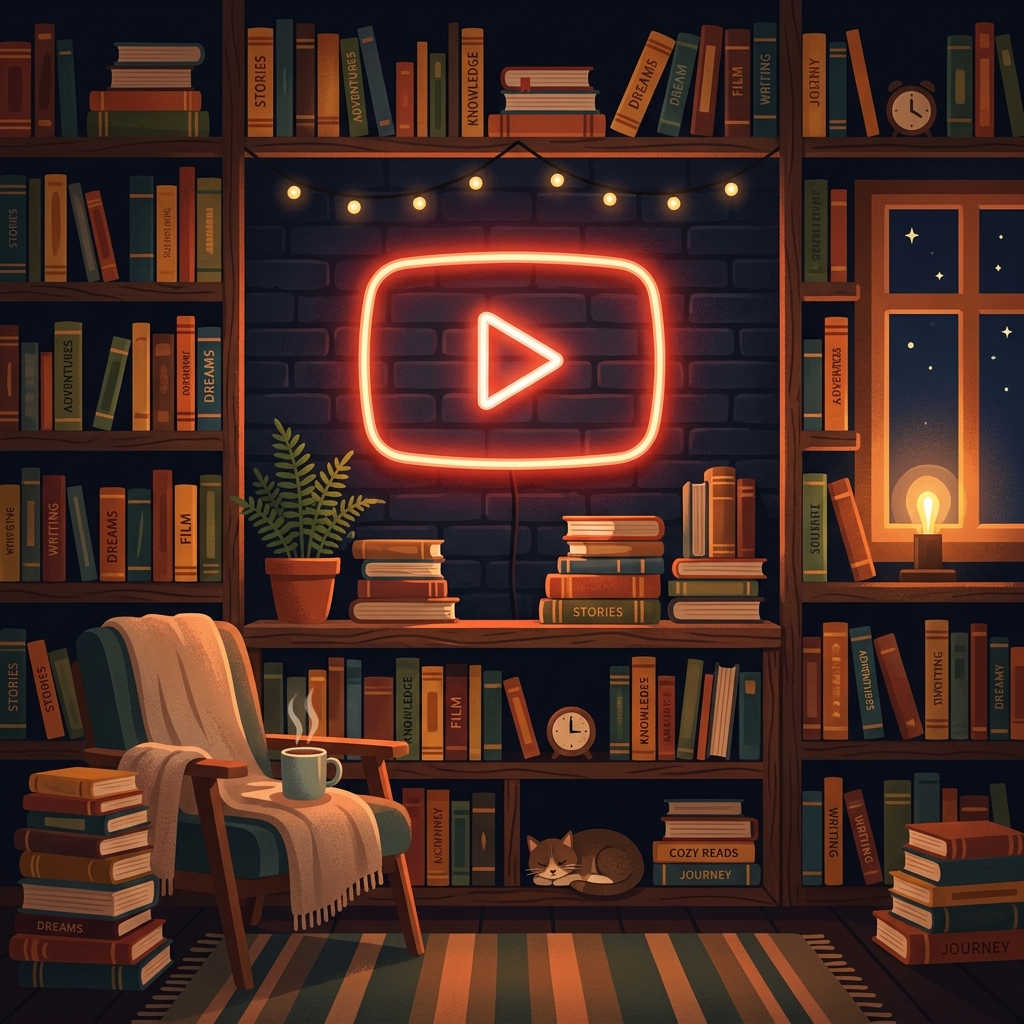
That seems like a journey worth taking, even if we never leave our favorite chair.
Super Tiniux explores ideas beyond this website.
Follow us on social media for daily inspiration, discoveries, and conversations that fuel curiosity and learning.
Super Tiniux is a cozy digital space focused on curiosity, education, technology, philosophy, parenting, reading, lifelong learning, and thoughtful observations about everyday life.
© 2026 Super Tiniux. All Rights Reserved. | Developed by Oneiroi Tech