 5 min read
 May 31, 2026
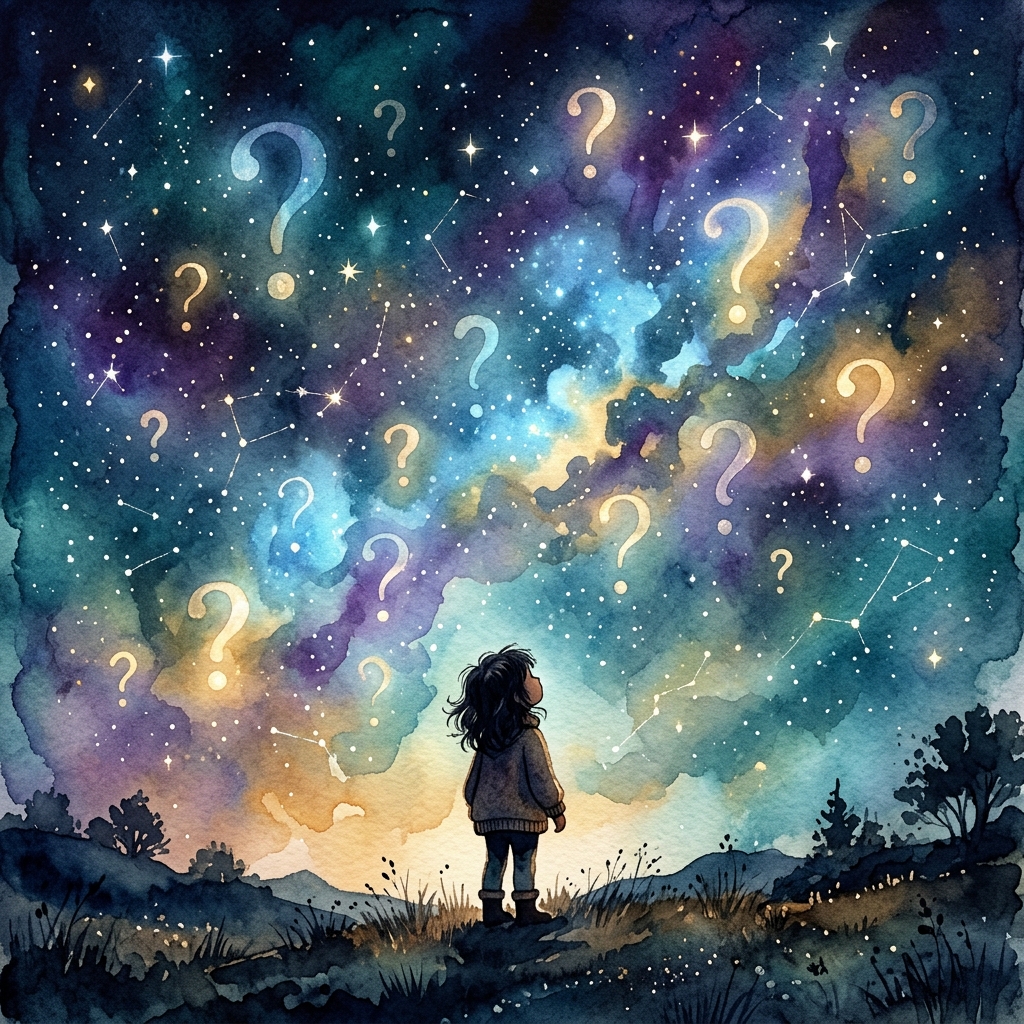
"Wonder is the feeling of a philosopher, and philosophy begins in wonder."
— Plato
One of the things I enjoy most about children is that they ask questions without feeling embarrassed:
They ask because they genuinely want to understand the world. They are not worried about asking a "bad" question or whether they should already know the answer. They simply wonder, and then they ask.
As adults, I am not sure we lose that curiosity. I think life simply becomes louder. There is work, there are responsibilities, there are bills to pay, children to raise, projects to finish, and before we notice, many of the questions that used to come naturally remain somewhere in the background.
At least that is how it sometimes feels to me.
I have noticed that many of the things I enjoy learning begin with questions that are almost insignificant. I may wonder why one civilization developed differently from another, why two languages that seem completely unrelated share similar words, or why people who lived centuries apart often arrived at surprisingly similar ideas. Sometimes I begin reading about astronomy and somehow end up learning history. A question about artificial intelligence quietly becomes a question about philosophy. Reading about architecture eventually leads me to mathematics, engineering, religion, and art.
If I have learned anything about curiosity, it is that it rarely follows a straight line.
One question has a way of producing another, and then another. Before I know it, I have spent an hour reading about something that had very little to do with the question that started it all. Looking back, I often realize that those unexpected detours were probably the most interesting part of the journey.
The more that happens, the more I find myself questioning the way we divide knowledge. At school it makes perfect sense to organize subjects into history, science, literature, mathematics, philosophy, or engineering. It helps us teach them. But outside the classroom those boundaries seem much less obvious. History influences science. Philosophy quietly appears in technology. Psychology finds its way into education. Engineering depends on mathematics but also on creativity. The longer I keep learning, the more those connections begin to appear.
Perhaps they were always there, and I simply had not noticed them before.
That may also be one of the reasons I enjoy conversations so much. I honestly never know where they are going to end.
Some of the most interesting things I have learned over the years began because someone casually mentioned a place I had never heard of, recommended a book, or asked a question I had never considered. A simple conversation became an afternoon of reading, which later became another conversation with someone else. I sometimes wonder how many of the things I care about today can be traced back to one small question that happened almost by accident.
"It is impossible for a man to learn what he thinks he already knows."
— Epictetus
I think that is one of the reasons I like this quote from Epictetus so much.
The older I become, the more comfortable I have become saying, "I don't know."
When I was younger, I probably thought that not knowing something meant I had somehow fallen behind. Today I tend to see it differently. Every time I realize that I do not understand something, I have just discovered another opportunity to learn.
That has also made me a little slower when forming opinions. Sometimes I would rather spend another week reading about a subject than immediately deciding what I think about it. I have changed my mind often enough over the years to know that another book, another conversation, or another perspective can completely reshape the way I understand a topic.
I do not see that as a weakness anymore. If anything, it feels like part of learning.
"As long as you live, keep learning how to live."
— Seneca
I also find it reassuring that there is far more to learn than I could possibly fit into one lifetime.
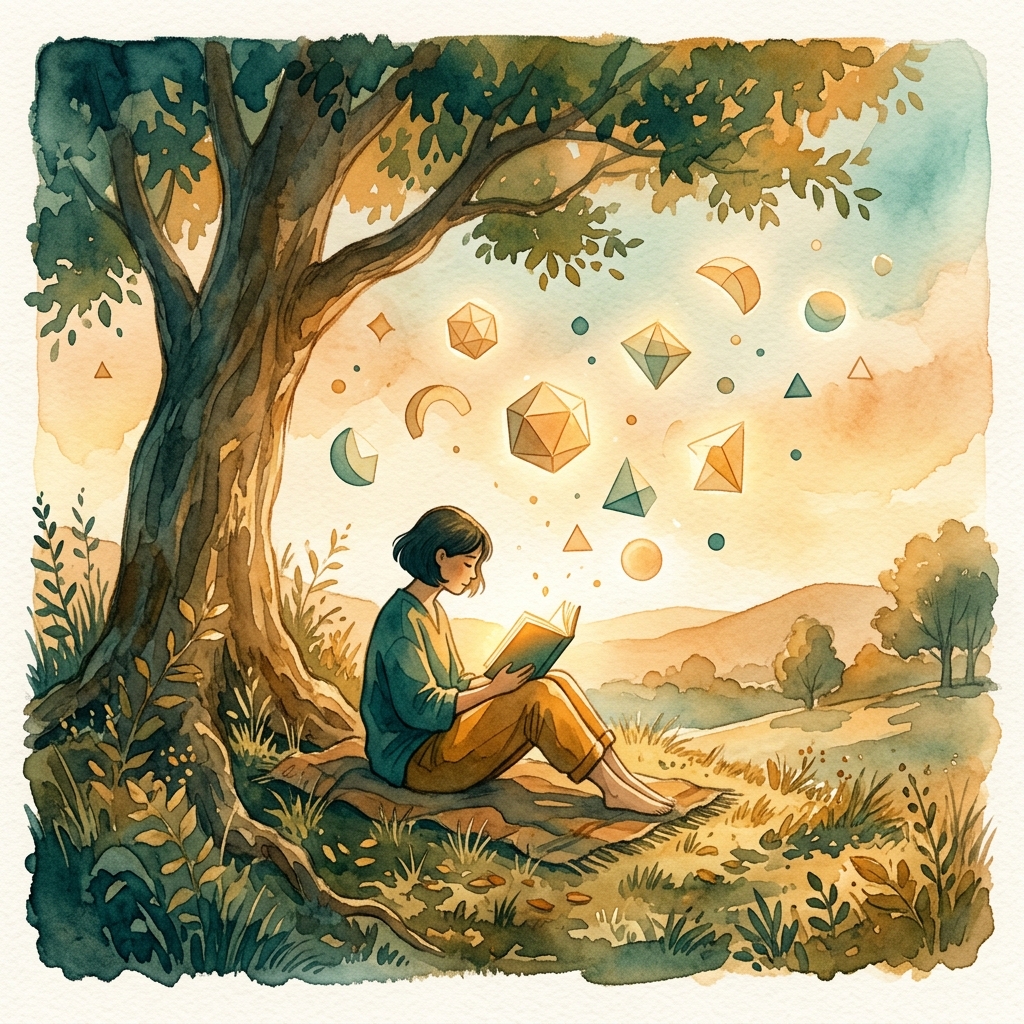
Years ago, that idea might have sounded discouraging. Now it has the opposite effect on me. It means there will always be another book waiting on my shelf or in my e-reader. There will always be another country whose history I know almost nothing about, another scientific discovery that changes the way I understand the universe, another philosopher asking questions that people are still discussing centuries later.
Perhaps curiosity is not really about reaching the end of the journey. Perhaps it is about never running out of reasons to continue it.
When I think about the people I admire most, I realize that very few of them seem to have lost that sense of wonder. They continued asking questions throughout their lives. They kept reading, listening, observing, and changing their minds when the evidence convinced them to do so.
I hope I never lose that either.
Not because I expect to understand everything. I already know that I won't.
But I do hope that, many years from now, I will still find myself stopping in the middle of an ordinary day because something made me wonder, "Why is that?"
If that happens, I think I will still be learning.
Super Tiniux explores ideas beyond this website.
Follow us on social media for daily inspiration, discoveries, and conversations that fuel curiosity and learning.
Super Tiniux is a cozy digital space focused on curiosity, education, technology, philosophy, parenting, reading, lifelong learning, and thoughtful observations about everyday life.
© 2026 Super Tiniux. All Rights Reserved. | Developed by Oneiroi Tech