 7 min read
 May 8, 2026
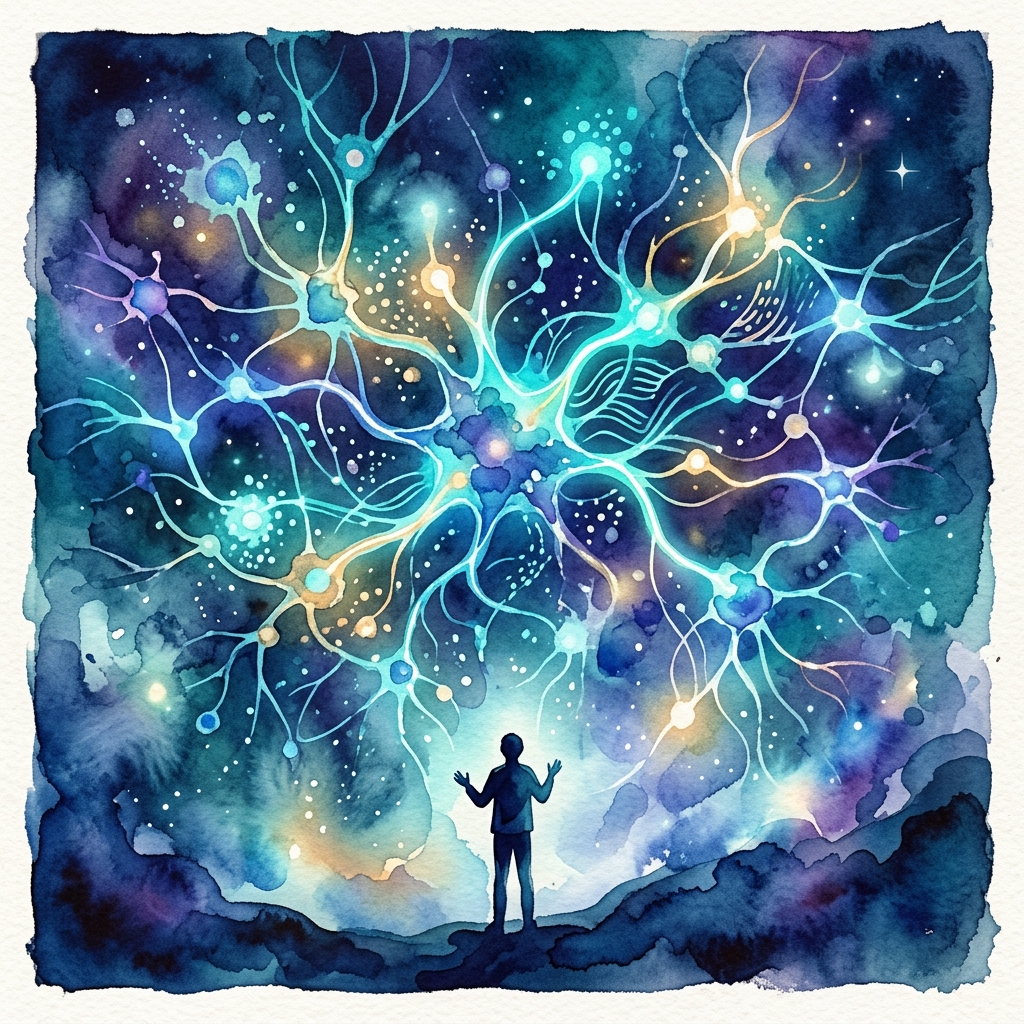
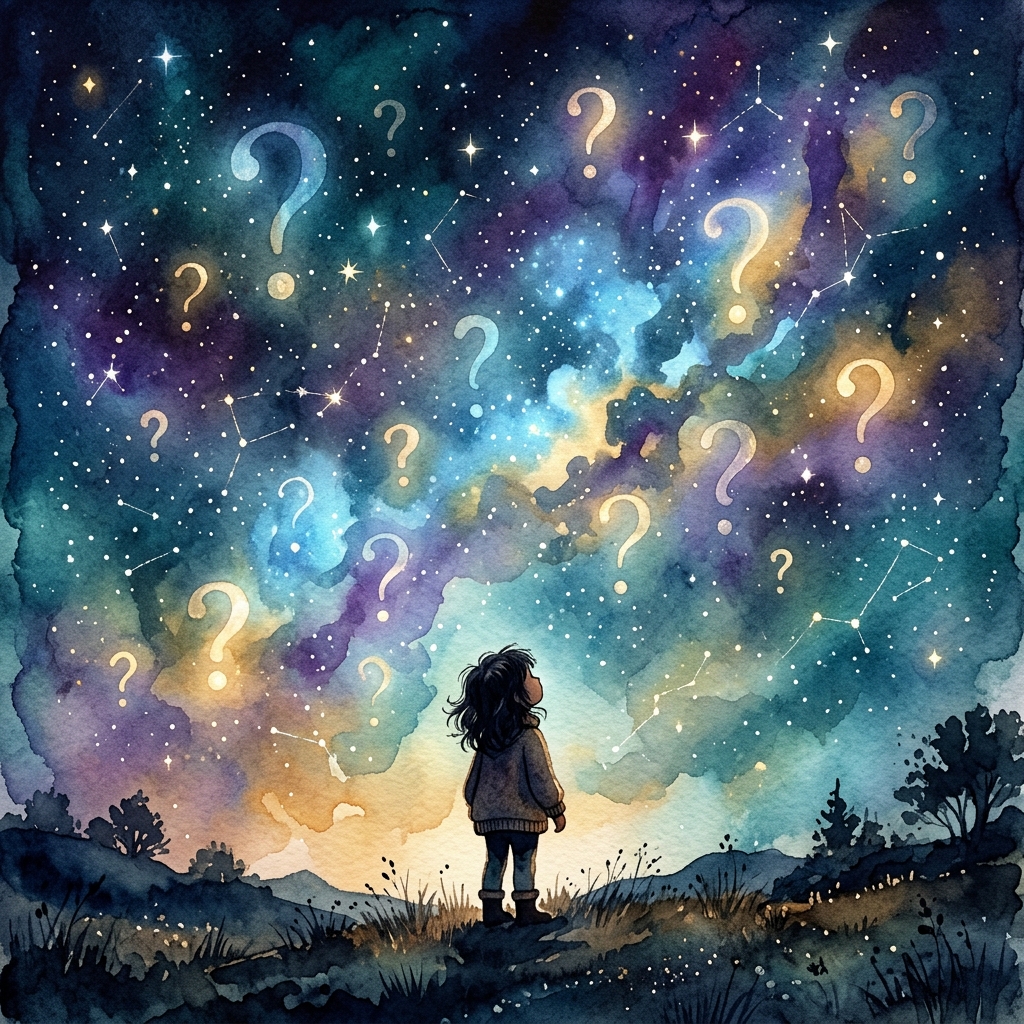
"Any sufficiently advanced technology is indistinguishable from magic."
— Arthur C. Clarke
Artificial intelligence often feels exactly like that.
We ask a question, and a computer writes an essay. It recognizes faces, translates languages, creates realistic images, and even helps scientists discover new medicines. Sometimes it can seem almost magical.
But behind that "magic" are ideas that are much simpler than most people imagine.
We hear phrases like machine learning, neural networks, and deep learning almost every day. They sound impressive—sometimes even a little intimidating. Many people assume they refer to something incredibly complex that only researchers can understand.
The truth is much simpler.
You don't need a degree in computer science to understand the basic ideas behind them. Once you look past the technical vocabulary, they're surprisingly intuitive.
Imagine you wanted to teach a computer to recognize dogs.
One approach would be to write thousands of rules:
That might work... until the computer sees a Chihuahua, a Great Dane, or a fluffy dog lying down where only its face is visible.
Suddenly, the rules start falling apart.
Humans don't usually learn this way. When children learn what a dog is, nobody gives them a checklist. Instead, they see dogs over and over again. Eventually, they stop thinking about individual features and simply recognize the pattern.
Machine learning follows the same idea.
Instead of giving a computer every rule, we show it many examples. From those examples, it gradually discovers the patterns on its own.
That is the heart of machine learning.
Machine learning is the idea of learning from examples.
A neural network is one of the tools that makes that possible.
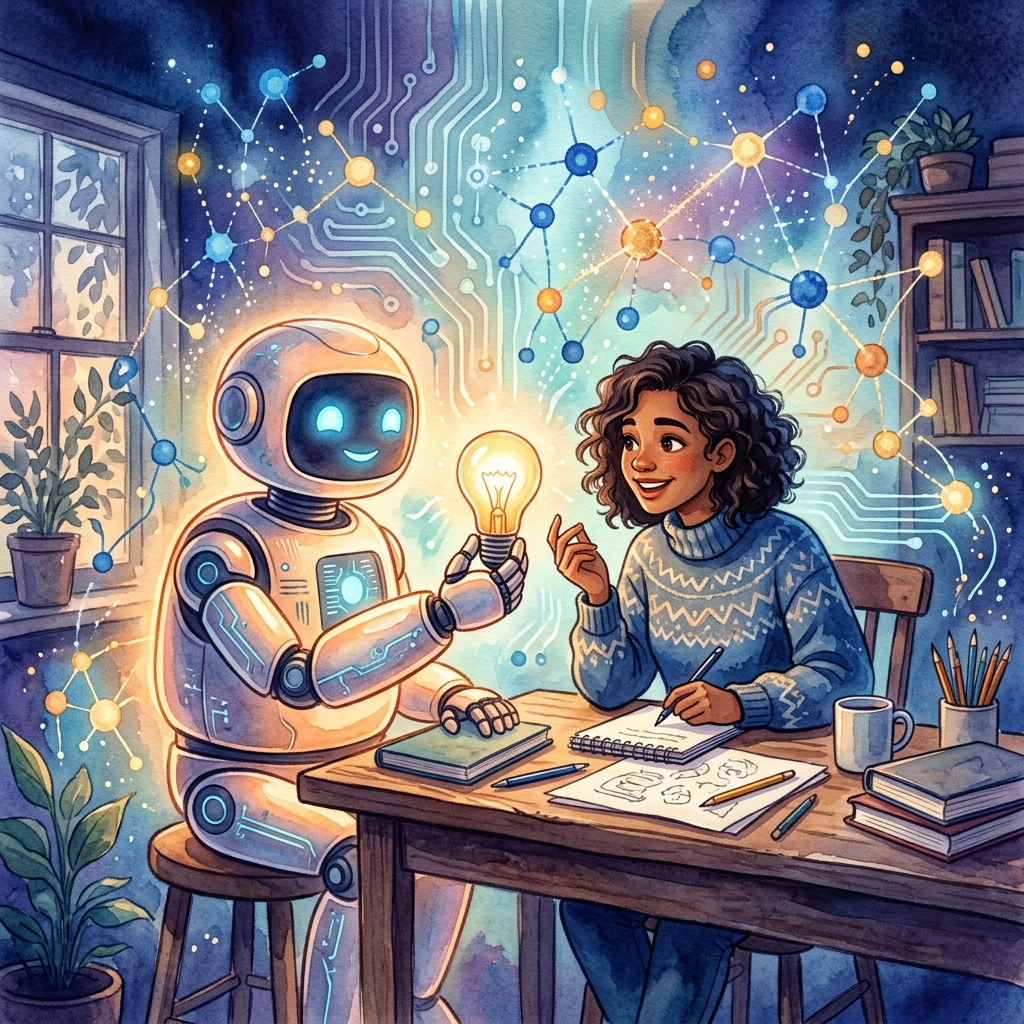
Think of a neural network as a very large team trying to solve a puzzle together.
Each member of the team looks at only a tiny piece of the information. By itself, each one knows almost nothing. But together, millions of these tiny decisions can produce something surprisingly intelligent.
If the task is recognizing a face, the first parts of the network might notice simple things like lines, edges, or colors. Later parts begin recognizing eyes, noses, mouths, and eventually an entire face.
Each layer builds on the work of the previous one, much like reading a book. First we recognize letters. Then words. Then sentences. Finally, we understand the idea being communicated.
The computer is doing something surprisingly similar.
The name neural network comes from the human brain. Scientists took inspiration from the way biological neurons connect and pass signals to one another. The resemblance, however, is only an inspiration. Neural networks are not digital brains or conscious machines. They are mathematical systems designed to discover patterns in data.
This is the part that surprises many people.
A neural network doesn't begin by knowing anything.
It starts by making terrible guesses.
Imagine showing it thousands of pictures and asking, "Is this a cat or a dog?"
At first, it gets many of them wrong.
Every mistake becomes feedback.
The network makes tiny adjustments and tries again.
It guesses.
It checks whether it was right.
It adjusts.
Then it guesses again.
This cycle repeats not hundreds of times, but millions—or even billions—of times.
Little by little, those countless small adjustments allow the network to recognize patterns with remarkable accuracy.
There is no magical moment when it suddenly becomes intelligent. It simply becomes a little better with every correction.
People often use the terms artificial intelligence, machine learning, and neural networks as if they all mean the same thing.
They don't.
Artificial intelligence is the broad goal of creating machines that can perform tasks we normally associate with human intelligence.
Machine learning is one way of reaching that goal. Instead of programming every rule, we allow computers to learn from examples.
Neural networks are one of the most successful tools used in machine learning today.
A simple way to remember the difference is this:
They're connected, but they're not the same thing.
Understanding these ideas doesn't make you an AI expert.
It does something more useful.
It helps remove the mystery.
When people hear that AI can recognize faces, translate languages, write stories, answer questions, or generate images, it's easy to imagine something almost magical happening inside the computer.
In reality, these systems are extraordinarily powerful pattern finders.
They have been exposed to enormous amounts of data, learned from countless examples, and become remarkably good at recognizing relationships that would take humans much longer to discover.
That doesn't mean they understand the world the way we do. It doesn't mean they are conscious or that they think like people.
It means they have become exceptionally good at learning patterns from experience.
And perhaps that's the most important idea to take away.
The next time you hear someone mention machine learning or neural networks, you don't have to picture mysterious algorithms hidden inside a black box.
Instead, picture a student learning from experience—making mistakes, receiving feedback, improving little by little, and eventually becoming surprisingly capable.
Sometimes the most remarkable technologies are built on ideas that are much simpler than their names suggest.
Or, to borrow Arthur C. Clarke's words once more, what first appears to be magic often turns out to be something we simply haven't understood yet.
Super Tiniux explores ideas beyond this website.
Follow us on social media for daily inspiration, discoveries, and conversations that fuel curiosity and learning.
Super Tiniux is a cozy digital space focused on curiosity, education, technology, philosophy, parenting, reading, lifelong learning, and thoughtful observations about everyday life.
© 2026 Super Tiniux. All Rights Reserved. | Developed by Oneiroi Tech