 5 min read
 May 12, 2026
"Teaching is not transferring knowledge but creating the possibilities for the production or construction of knowledge."
— Paulo Freire
I have been thinking a lot about education lately. Perhaps that is not surprising. It is one of those topics that seems to connect almost everything else I enjoy: parenting, technology, philosophy, curiosity, and even artificial intelligence. The more I think about it, the more I wonder if education has never really been about information. Maybe it has always been about something much deeper.
When I was growing up, I spent a fair amount of time outside. I was not constantly climbing trees or disappearing into the woods for entire days, but I was outside enough to observe the world around me. I remember watching insects, looking at plants, wondering why things worked the way they did, and asking plenty of questions. I was always curious, and fortunately I was surrounded by adults who encouraged that curiosity. They listened, answered questions, and sometimes simply allowed me to keep exploring.
One of my brothers took that curiosity even further. He loved experimenting with nature and with almost anything he could find around the house. I still remember one particular experiment that became part of our family's history. He wanted to know whether water would boil inside one of those thick plastic drinking cups. So he filled the cup with water and put it on the stove. As the cup started melting on the outside, he realized the experiment had probably gone far enough and turned the stove off. If I remember correctly, he repeated the experiment with two or three different cups. None of them were thrown away afterward. We kept using those funny-looking cups for years, and every time one appeared on the table it reminded us of that experiment. Looking back, I still smile when I think about it.
That memory has stayed with me because it illustrates something I have come to believe very strongly. There is a difference between someone telling you something and discovering it yourself. My brother could have been told that heating a plastic cup on the stove was not a good idea. He probably would have believed it. Instead, he asked a question, tested an idea, observed the result, and never forgot the lesson. The experiment became part of his experience, and because it became part of his experience, it became part of his understanding.
That is why Paulo Freire's words resonate with me. I do not admire him because I think every educational idea he proposed should be adopted without question. I admire him because I believe he understood something fundamental about learning. Teaching is not merely transferring information from one person to another. The way we teach matters, but just as importantly, the way someone learns matters. Two people can hear exactly the same explanation and come away with completely different levels of understanding.
The same idea appears in the Socratic Method. Instead of immediately providing answers, Socrates asked questions that forced people to think. I find that fascinating because I have experienced it myself. There are concepts I have forgotten after memorizing them for an exam, yet ideas that I struggled to discover on my own have stayed with me for years. There is something powerful about reaching a conclusion through your own reasoning. Once your mind makes those connections, they become much more difficult to forget.
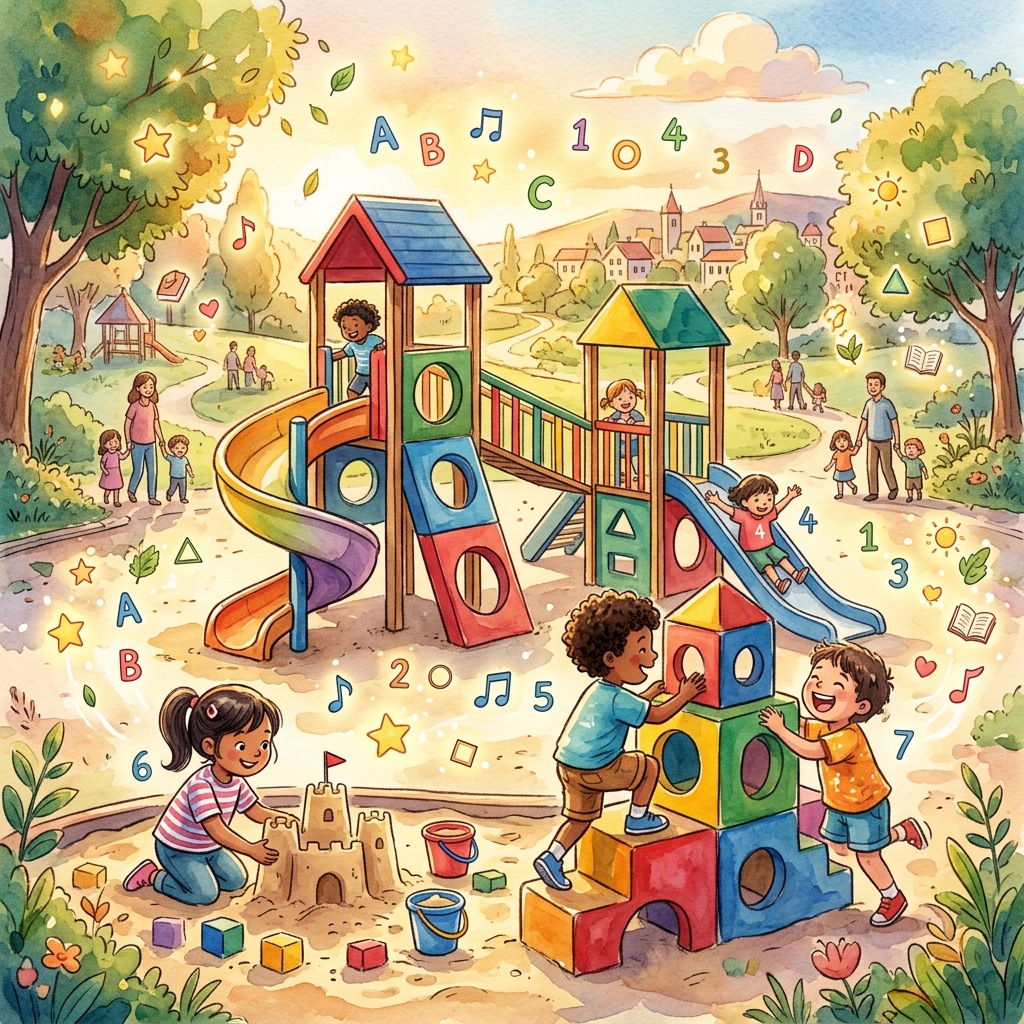
This is one of the reasons I think playing outside is so valuable. Children naturally become observers. They notice patterns, compare ideas, test possibilities, and adjust their thinking when something does not work. They are constantly experimenting, even if they do not realize it:
All of those experiences are part of an education that no textbook can fully replace.
Of course, I am not suggesting that children should simply be left alone to discover everything by themselves. Parents and teachers play an essential role. We provide safety, guidance, encouragement, and experience. We know when to explain something directly and when to allow someone to wrestle with an idea a little longer. Finding that balance is not always easy, but I think it is one of the most important responsibilities we have.
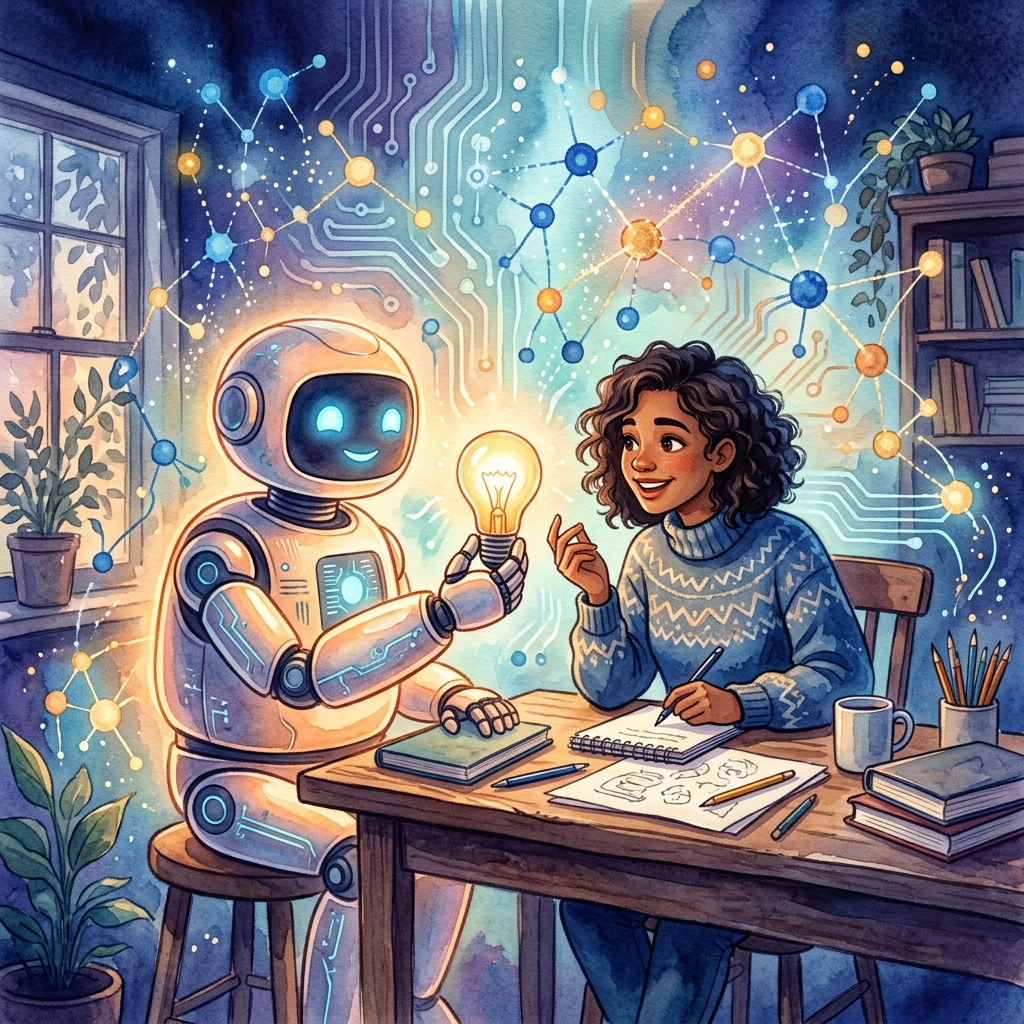
Lately I have also been thinking about what education means in a world where artificial intelligence can answer almost any factual question in seconds. If information is becoming easier to obtain than at any other time in history, then perhaps information is no longer the most valuable thing we have to offer. Perhaps our responsibility is shifting. Instead of focusing primarily on giving answers, maybe we should become better at helping people ask meaningful questions, evaluate what they discover, and connect ideas from different fields of knowledge.
"Freedom is not the power of doing what we like, but the right of being able to do what we ought."
— John Emerich Edward Dalberg-Acton
I have always liked that quote because it reminds me that freedom and responsibility belong together. We often think of freedom as the absence of limits, but education shows us something different. Real freedom comes from developing the judgment to make good decisions independently. That kind of judgment cannot simply be handed to someone. It has to be developed over time through experience, reflection, mistakes, and guidance.
Perhaps remodeling education does not begin with replacing classrooms or rewriting every curriculum. Perhaps it begins by rethinking our own role. Instead of seeing ourselves as people whose job is to deliver knowledge, we can become guides who cultivate curiosity:
I hope we never lose sight of that. The world certainly needs knowledgeable people, but I believe it needs curious people even more. Knowledge tells us what is already known. Curiosity is what allows us to discover what no one has understood yet.
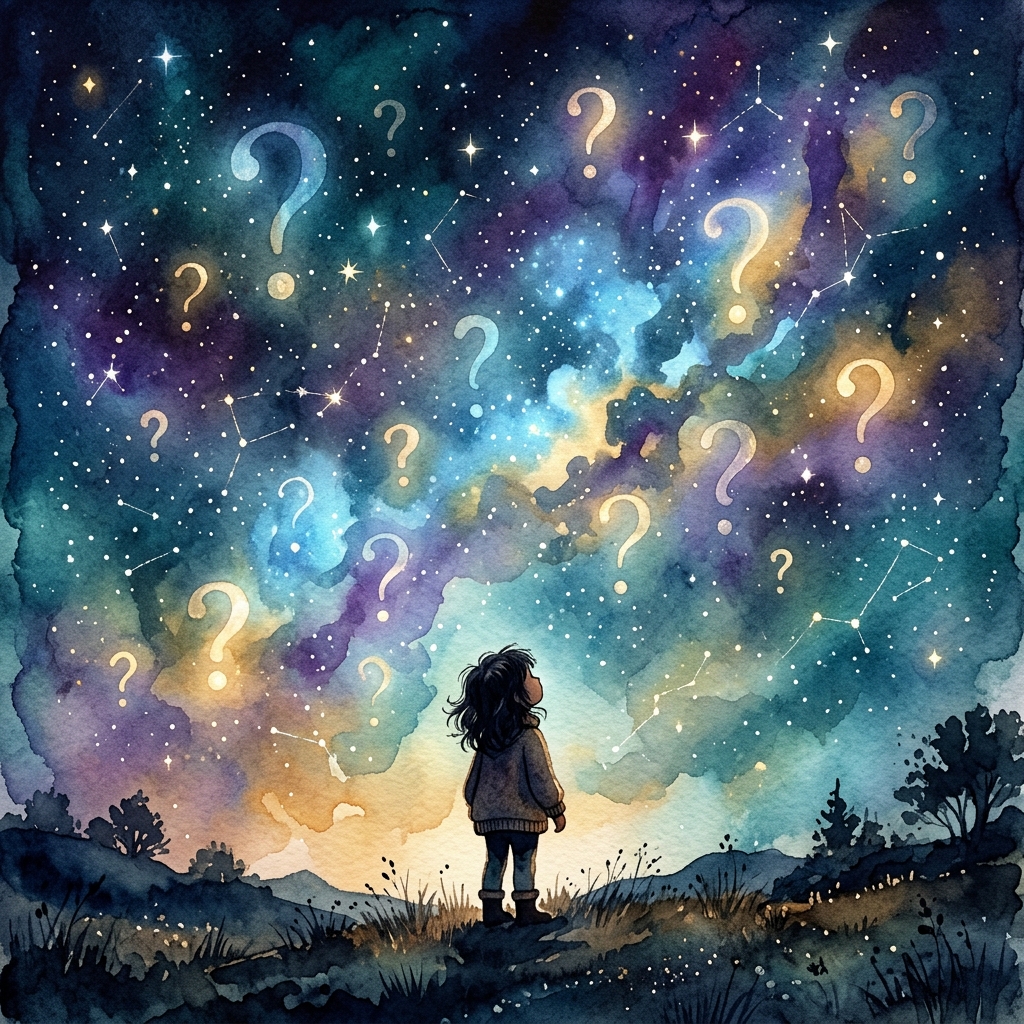
Maybe that is one of the greatest gifts we can give the next generation. Not all of the answers, but a lifelong desire to keep asking questions.
Super Tiniux explores ideas beyond this website.
Follow us on social media for daily inspiration, discoveries, and conversations that fuel curiosity and learning.

Super Tiniux is a cozy digital space focused on curiosity, education, technology, philosophy, parenting, reading, lifelong learning, and thoughtful observations about everyday life.
© 2026 Super Tiniux. All Rights Reserved. | Developed by Oneiroi Tech